
Build an approval‑ready credit profile
Understand what’s driving your credit decisions, identify items that may be unfair or inaccurate, and take a structured next step toward stronger approvals and better terms.
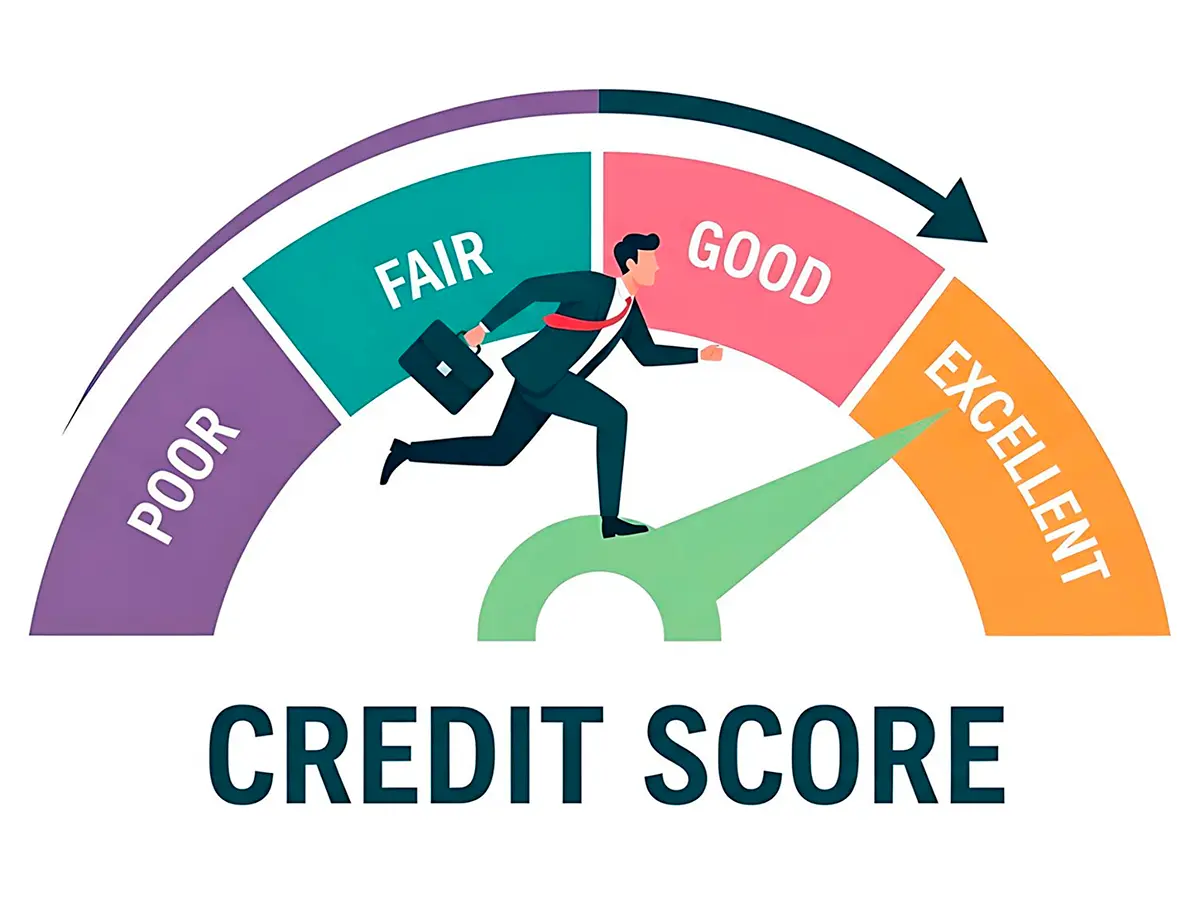
Built around established U.S. credit reporting practices and dispute procedures under the Fair Credit Reporting Act (FCRA). No unrealistic promises—just clarity, documentation, and structured credit improvement.
Unlock more options
Choose the outcome you care about. We’ll outline what improves it—and what to watch for—so you can move forward with confidence.
Your path to stronger credit
A stronger credit profile can mean better approval odds, improved loan terms, and more financial flexibility. Get a clear, no-fluff overview of what credit improvement can help you achieve — then take the next step when you're ready.
Credit decisions in the U.S. are typically influenced by payment history, utilization ratios, account age, recent inquiries, and the accuracy of reporting across major credit bureaus.
Even small inconsistencies can affect lending algorithms. A structured credit improvement approach focuses on verified data, responsible usage patterns, and consistent financial behavior.
*Results vary. This page does not guarantee outcomes.
How it works
A straightforward workflow used by reputable credit‑support programs: review, challenge what’s questionable, and build stronger habits while updates are processed.

Review your starting point
Clarify your goal and look at what’s currently affecting approvals and terms.

Identify what can be challenged
See what information is typically needed, what to expect next, and how the workflow usually looks.

Move forward
Continue to explore available options and take the next step toward better credit outcomes.
credit clean up service that actually moves with you
I signed up as a first-time user after a used-car preapproval fizzled. A small medical collection I didn't recognize sat on page two of my report like a brick. I wanted a plan, not magic words. A credit clean up service sounded like a workflow I could follow, with help where I'd stall.
What a credit clean up service really does
It's part detective work, part paperwork, and part negotiation. The goal is cleaner, more accurate reports and a steadier path forward - not fairy-dust score jumps.
- Audit: Pulls all three reports, highlights errors, duplicates, and aging debts that should be gone.
- Verification: Sends disputes with documentation so furnishers must prove accuracy or update/remove.
- Negotiation: Looks for goodwill updates, settlements, or pay-for-delete opportunities when appropriate.
- Rebuild: Adds positive data - secured cards, on-time utilities reporting, or low-limit lines used lightly.
- Tracking: Monitors responses by cycle, logs outcomes, and re-disputes when supporting evidence improves.
My starter workflow
- Collected ID, proof of address, and every letter I had from lenders or collectors.
- Reviewed each negative item with cause, date, and whether I had receipts or explanations.
- Filed targeted disputes - no mass blasting - one reason per item, one folder per bureau.
- Negotiated the small balances first; fastest wins kept me motivated.
- Opened a low-fee secured card and automated tiny payments to build history.
One afternoon, I called the service from the dealership lot. We prioritized that medical line, sent proof of insurance coverage, and scheduled a follow-up. A week later, the furnisher requested more detail; two weeks after, the status changed to "under investigation." Neutral pause: I stared at the calendar and closed the tab.
DIY vs professional: where it matters
I tried both. Doing it myself saved fees, but I missed timelines and mixed up addresses. With a pro, the cadence felt disciplined.
- Time: DIY is nights and weekends; a service batches letters and tracks 30 - 45 day windows.
- Accuracy: Templates can backfire; tailored disputes with documents worked better.
- Leverage: Some reps know which departments handle corrections faster.
- Cost: Monthly subscriptions add up; DIY is cheaper but slower. I measured cost per successful update, not month-to-month price.
How I chose a provider
No guarantees of deletion. Clear contract. Plain-language explanations. A dashboard I could actually read.
- Transparent pricing and cancel-anytime terms.
- Examples of dispute logic, not just buzzwords.
- Written guidance on building new positives alongside disputes.
- Regular check-ins and copies of every letter sent.
Timelines and outcomes to expect
My first cycle delivered corrections in about 35 days; tougher items needed two or three rounds. Some debts didn't vanish, but balances and dates were fixed, which still helped. I tracked progress by fewer negatives, lower utilization, and cleaner payment history - not just a single score number.
Benefits I actually noticed
- Auto-rate quote nudged down after the collection updated.
- Lower anxiety opening my banking app; I knew what was in flight.
- Fewer surprise fees once I built autopay and reminders.
- Easier apartment application - no frantic explanations.
In the end, the credit clean up service wasn't a shortcut; it was structure. Clear steps, documented wins, and room to keep improving after the files closed. That was enough to say yes to the next application with a steadier hand.
A credit repair company is a third party, which may also be called a credit repair organization or credit services organization, that attempts ...
The best place to refinance and consolidate credit is... The bank. That's what they do, handle money and educate people so they can also.
If you need to repair your credit or consolidate debt, you can arrange payment plans and improve your credit score yourself for little or no cost.
Frequently asked questions
A clear next step — without the guesswork
See what’s impacting approvals and what may deserve a closer look.
Understand how disputes are structured and what documentation matters.
Improve utilization, consistency, and long-term credit stability.
See what improving your credit could change
Take a structured next step based on your current profile — and decide with clarity.